
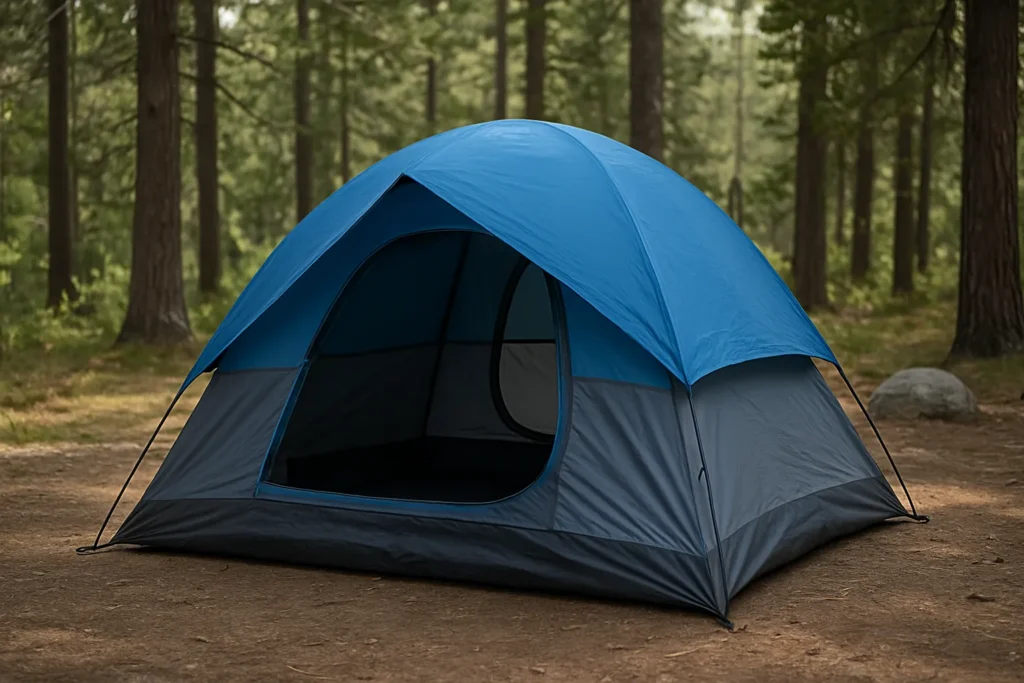
How to Choose the Right Outdoor Tent for Your Camping Needs
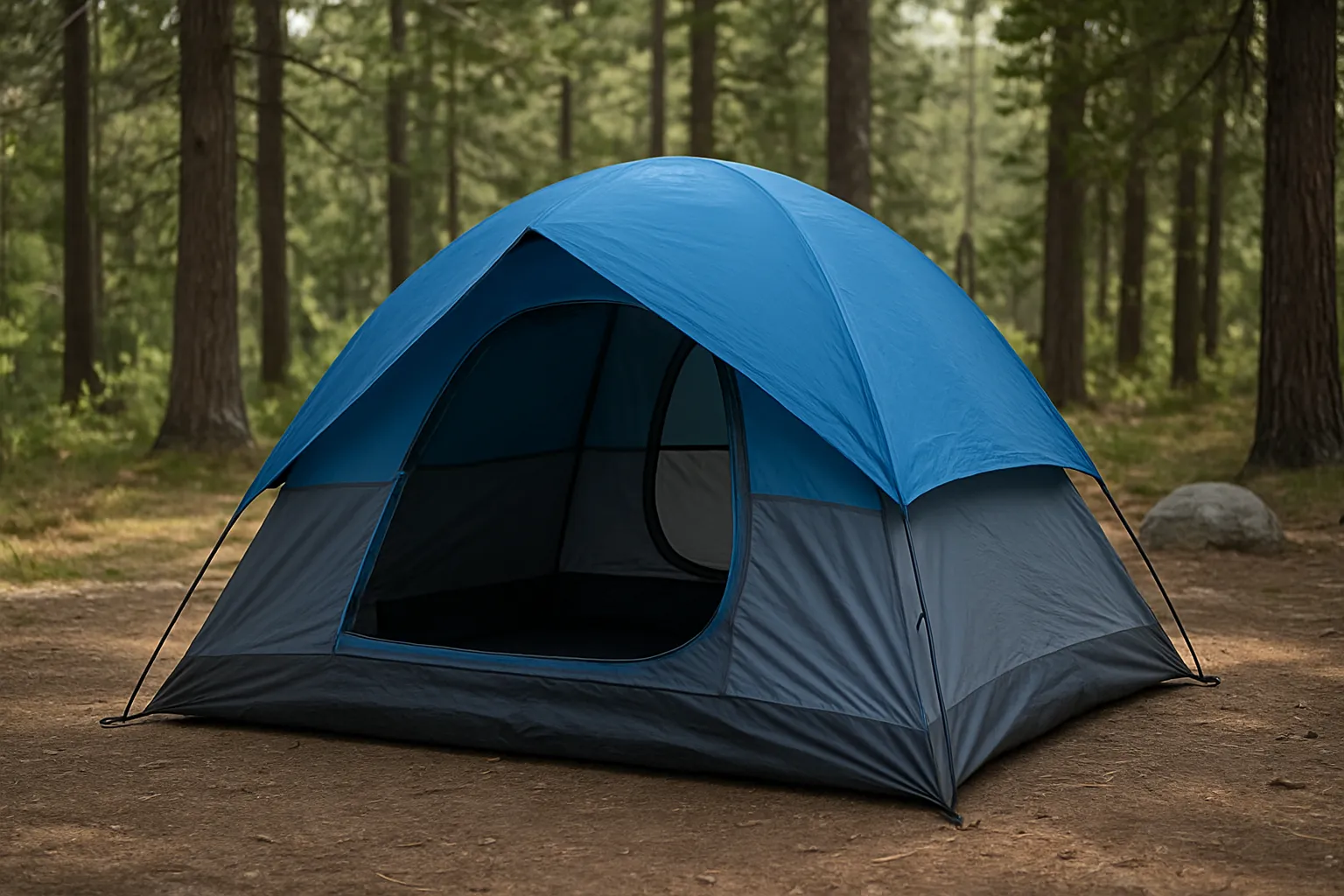
Choosing the right outdoor tent is crucial for a successful camping experience, whether you’re a beginner or an experienced camper. The ideal tent will depend on factors such as your camping style, the number of occupants, and the specific weather conditions you expect. A well-chosen tent provides shelter and contributes to your comfort and safety in the great outdoors.
Newcomers often feel overwhelmed by the variety of outdoor tent options, including size, shape, materials, and features. By understanding key considerations and common pitfalls, you can make an informed choice that suits your needs. This guide outlines key steps for selecting the right outdoor tent, compares various tent types, and points out common mistakes to avoid. By the end, you’ll be equipped to choose a tent that meets your requirements and enhances your camping experience.
Steps to Choose the Right Outdoor Tent
Start with a clear understanding of your specific needs. Identify the type of camping you plan to undertake—backpacking, family camping, or a festival—and the number of occupants. This initial assessment will guide your selection process effectively.
Next, consider the weather conditions you expect. If you anticipate rain or snow, look for tents with a higher waterproof rating and sturdier materials. For warmer climates, ventilation and sun protection will be more critical.
Size matters, both in capacity and packed dimensions. Tents are often labeled by the number of people they can accommodate, but it’s wise to choose a tent that can fit one or two extra people for comfort. Additionally, think about weight if you plan to carry your tent over long distances; lighter materials may be a priority for backpackers.
Setup time is another crucial factor. If you’re new to camping, opt for tents that are easy to pitch, like pop-up styles, especially if you’ll be setting up camp after a long day of hiking. However, these often lack durability compared to more traditional designs.
Lastly, familiarize yourself with different tent types. Dome tents are generally easy to set up and stable in windy conditions, while tunnel tents offer more living space. Researching these options helps you select a tent that meets your specific camping needs.
Comparison of Popular Tent Types
Knowing the different types of outdoor tents is essential for enhancing your camping experience. Below is a comparison of popular tent types, highlighting their advantages and disadvantages.
| Tent Type | Capacity | Ease of Setup | Weather Suitability | Pros | Cons |
|---|---|---|---|---|---|
| Dome Tent | 2-8 people | Easy | Moderate to Heavy Rain | Good ventilation; sturdy against wind | Less headroom; may need stakes for stability |
| Cabin Tent | 4-10 people | Moderate | Light Rain to Sunny | Spacious and tall; suitable for families | Heavier; setup can be complex |
| Backpacking Tent | 1-3 people | Very Easy | Light Rain to Sunny | Lightweight; compact for carrying | Limited space; less durable in storms |
| Pop-Up Tent | 2-6 people | Very Easy | Sunny | Quick setup; great for festivals | Less durable; limited weather resistance |
| Tunnel Tent | 2-6 people | Moderate | Heavy Rain | Strong against wind; more living space | Heavier and less portable |
Key Considerations
- Capacity: Choose a tent that can comfortably fit the number of people camping. A tent labeled for four people usually fits four snugly, so it’s wise to size up for extra space.
- Setup Ease: If you’re new to camping, opt for tents that promise easy setup.
Common Mistakes to Avoid When Buying an Outdoor Tent
Beginners often make several common mistakes that can lead to disappointment during their camping experience. Understanding these pitfalls can save time, money, and frustration.
One prevalent error is underestimating size needs. Many newcomers may assume that a two-person tent is sufficient for two adults, but this often doesn’t account for gear storage and personal space. A three-person tent may be more practical for two people with gear.
Another mistake is overlooking the weight of the tent, especially for backpackers. Lightweight tents are essential for those carrying gear over long distances. Failing to prioritize weight can lead to fatigue on the trail.
Additionally, many buyers ignore weather ratings. Understanding whether a tent is designed for three-season or four-season use is crucial. A three-season tent may suffice for summer camping, but if you’re venturing into harsher conditions, investing in a four-season tent is advisable.
To prevent these mistakes, conduct thorough research. Read reviews and visit outdoor gear stores to see tents in person; testing them out can provide valuable insights. Many stores allow customers to set up tents, providing a better sense of space and ease of use.
In summary, assess size, weight, and weather suitability to enhance your camping experience.
Frequently Asked Questions About Outdoor Tents
Waterproofing Your Tent: Proper waterproofing is crucial for staying dry during your camping trips. Apply a waterproofing spray to the tent fabric, focusing on seams. Regularly check the tent for signs of wear and reapply waterproofing as necessary.
Best Materials for Different Climates: For wet climates, look for tents made from synthetic fabrics like nylon or polyester with a waterproof coating. Canvas tents are better suited for dry, sunny conditions due to their breathability and durability.
Maintaining Your Tent: Store your tent in a cool, dry place away from direct sunlight. Clean it thoroughly after each use, especially after camping in sandy or muddy environments. Avoid harsh detergents; opt for mild soap and water.
Frequently Asked Questions
What size tent do I need for camping?
Consider the number of occupants and gear. A rule of thumb is to allow 20 square feet per person.
How can I waterproof my outdoor tent?
Use a waterproofing spray or seam sealant. It’s advisable to test your tent before a trip.
What materials are best for outdoor tents? Consider tents made from nylon or polyester with waterproof coatings for durability.
Look for tents made from nylon or polyester with a waterproof coating for durability and weather resistance.
How do I maintain my tent?
Clean your tent after each use, store it dry, and avoid prolonged exposure to sunlight to prevent fabric degradation.
Are there specific tents for different seasons? Yes, three-season tents work for spring, summer, and fall, while four-season tents are designed for winter conditions.
Yes, three-season tents are suitable for spring, summer, and fall, while four-season tents are designed for winter conditions.